
Ghost projects, sham awards
Fake projects win. And we all know it.

“Why are fake projects still getting awards when we all know they’re bullshit?”
Nods of approval all round.
“Actually, why are you still awarding projects that aren’t real?”
Yes readers. This was me, piping up with a particular beef when a noted international creative network invited some paid members to a workshop on how to improve their offer. An awkward minute followed as everyone in the room chipped with the many fake (or forced) projects they’s seen that ended up with a gong.
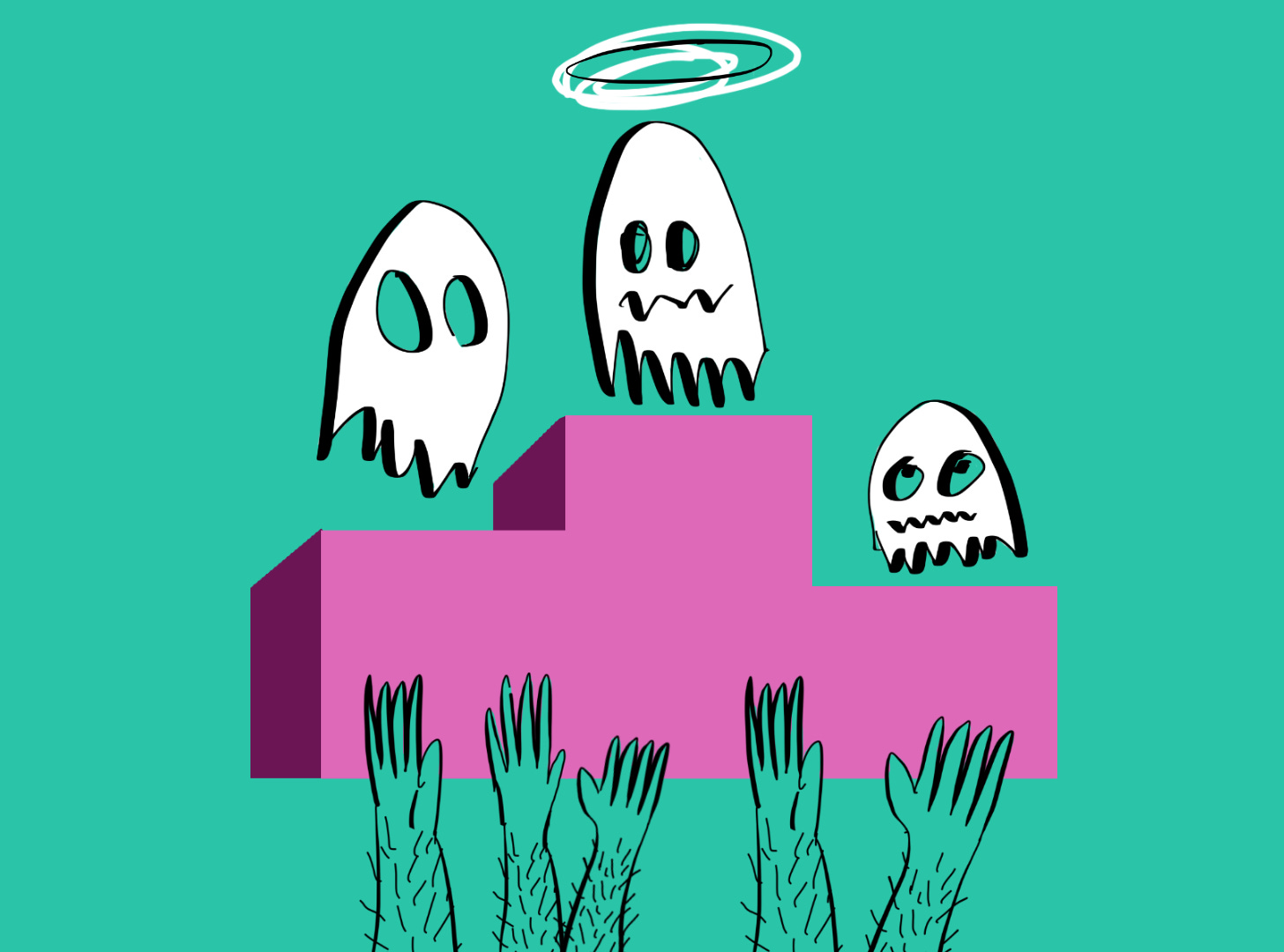
Even the staff of noted international creative network seemingly recognised they were awarding non-projects.
What’s all that about? Is the creative industry so brittle that it needs validation at any cost? Oh yes, of course it does.
Even having the flimsiest of awards in your creds deck suggests a modicum of gravitas in an industry that’s slowly being dragged whimpering to the bottom of a dark and dangerous alley.
We’ve all seen these ghost ‘winners’; here’s three tell-tale project types that shouldn’t really get anywhere near a serious award.
Example 1. Solution desperately seeks client.
When idea needs a client to become reality — I’ve witnessed this firsthand. I worked alongside a designer who created a clever visual identity for a very niche profession. He pitched it to a high profile person within that industry, they were amused and got some fun business cards, and as a young creative he won an award. Perhaps it’s no biggie, he was simply hustling to get some clout. But high profile agencies get involved in this type of client fishing — developing a clever brand and finding a client happy to play along. Not clever.
Example 2. Agency side hustle +++
From OTT Xmas cards to rock band merch, there’s a glut of naval-gazing ideas that have found their way onto winner’s lists. No matter how great the execution, if you’re the client something tells me it’s a little easier to get sign-off on an extra metallic ink or creating a lavishly produced film for an imaginary website.
Example 3. Ideas amped beyond credibility
LinkedIn and Behance are full of campaigns that look real except the OOH is always that same grotty Shoreditch bridge or SoHo corner site. Then there are genuine projects that exist in the liminal space between one solitary execution and its own social clout. Enough media spend to show it actually happened, but not enough to make a campaign. An idea that can live in Hackney Wick or Williamsburg, but not in Coventry or Columbus. There’s a particular cereal brand that’s employed this tedious tactic to the nth degree. Bore off.
Of course every creative or agency turns up the volume on their portfolio —filling in the pieces that the client didn’t quite have the cash or the balls to see through. But when a single billboard becomes a stand-in for an entire campaign, then is this really worth an award?
And does this all even matter? Should we care that an idea has been born not from necessity but from pure invention? As long as great ideas are getting out there and inspiring others, who gives a rat’s ass?
Well, we should. At a basic level it’s all about (ahem) integrity. With so much other shit squelching lazily over the horizon, the last thing the creative industry needs is to be seen to celebrate fakeness. We should be awarding the work that gets out there and does the heavy lifting. Genuine ideas solving genuine problems, or smart, elegant solutions in an otherwise bland world.
The more experienced you are, the more obvious it is that any fool can produce something ‘cool’ ‘edgy’ (add relevant yoof synonym) in Peckham, but to create something meaningful that works in Port Talbot — that’s an altogether more difficult challenge. And that’s why it’s far easier to produce a campaign with the thinnest of executions that lives solely within Zone 2. Or better still, exists only in the reflected glory of the industry.
Perhaps integrity’s days are well and truly over.